 Get a Free Estimate


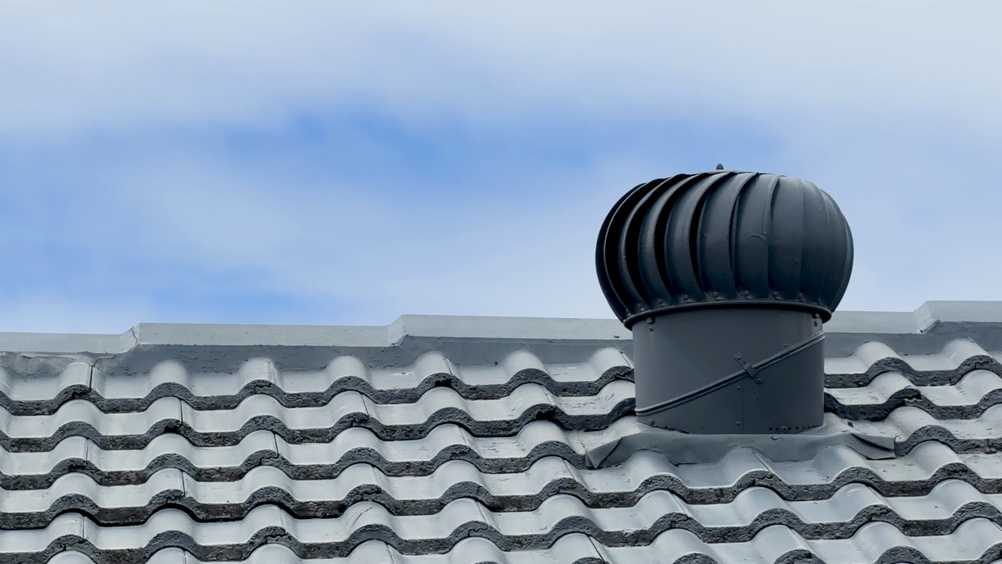
Have you noticed that the temperature in your attic seems to be hotter than normal? If you are noticing unusually warm temperatures in the attic, then it’s time to talk to a roofing expert and ask: Why is my attic so hot?
Most of the time, hot temperatures in the attic are an indication that the heat is getting in faster than it can get out. This problem is especially common during the hottest months of the year. Summer conditions turn the roof deck into a heater. Combined with weak airflow that traps the heat, it can result in a situation that causes heat to radiate down into your living space.
The good news is that a hot attic is usually fixable. You just need to contact our expert team for a quick evaluation. Then, we’ll provide recommendations on the best solutions to maintain attic and roof temperatures.
How Hot Should an Attic Get in DFW?
If it seems like your roof is always getting hot, then you might be wondering what is “normal” for these conditions. On a hot summer day (over 100 degrees), it’s normal for attic temperatures to reach anywhere from 130 to 150 degrees.
But with good attic ventilation, it’s possible to drop the attic temperature to around 20 degrees above the outdoor air temperature. This shows that a hot attic is usually caused by a problem with proper airflow.
You can call a roofing team for an inspection and personalized recommendations. Additionally, try checking the attic on your own by putting a thermometer in the attic on a hot afternoon. Then, read the temperature from the hatch. Be careful! Attics can be dangerous when they are so hot and cramped, which is why you shouldn’t stay up there for very long.
DFW Climate Conditions: Why Attics Get So Hot, and What It Is Costing You
Here’s what is happening: the sun hits the roof deck, and this heat radiates into the attic. If there are blocked soffit vents or insulation that is hanging over the intake vents, then there is limited air moving through the attic. So, the heat stays trapped because there is no way to move it out of the area efficiently.
Other common issues that can cause heat to build up in the attic include:
- Mixed vent types (such as ridge vents and box vents) short-circuit the airflow and keep the air from moving across the attic.
- Bathroom fans or clothes dryers may vent into the attic, which not only adds heat but also increases the moisture levels as well.
- A hot roof and attic cause ongoing damage because the shingles start blistering and curling. Then, it is a chicken-and-egg scenario because damaged shingles can increase the risk of a hot attic.
There’s no question that your costs can start to add up when the attic is too hot. Not only do you have damaged shingles that need to be replaced, but your shingle warranty might be void if you don’t have adequate ventilation in the attic.
Many homeowners find that a hot attic also increases their AC bills. Even when you are running the AC throughout the day, the upstairs rooms can be quite hot.
Proper Roof Ventilation: What You Need to Know
Proper roof ventilation can be a game-changer. Our roofing team is here to help you know how to ventilate an attic effectively, using a custom-designed plan based on your unique needs. The general recommendation is to place one square foot of vent area for every 150 square feet of attic floor. If the intake and exhaust are balanced, then this can be reduced to one square foot of vent area for every 300 square feet of attic floor.
Ideally, a good ventilation plan creates a balance with the intake vents at the soffits and the exhaust placed near the peak of the roof. This is how to ventilate an attic correctly, because it allows cool air to enter low and pushes the hot air out of the high points in the attic.
Sometimes, the fix for a hot attic is simply fixing a blocked intake. Other times, changes might be necessary in the ventilation system. An expert roofing team can provide personalized recommendations to help you get the ideal results for your attic ventilation system.
Radiant Barrier Roof Decking and Other Priorities to Manage Roof and Attic Temperature
In addition to addressing the attic ventilation needs, also consider other heat-protective designs when you are preparing for a roof installation or replacement. For example, radiant barrier decking is a great option. This roof sheathing has a reflective foil layer positioned on the bottom side. Instead of allowing the heat to pour into the attic, the reflective layer reflects the radiant heat away from your attic.
This roof decking can be helpful in hot, sunny climates, especially when the ducts are running through the attic. While it can be beneficial, it isn’t the final solution to solve hot attic issues. Instead, radiant roof decking might be one piece of your plan to manage the temperature.
FAQ
Why does my attic stay hot even though I have vents?
There are various reasons why your vents aren’t working properly. For example, the vents might be blocked, which limits airflow. Or vents that are mismatched or undersized are likely underperforming.
Do radiant barriers really work in Texas?
Yes, radiant barriers can be a great investment if you are already moving forward with a reroofing project or new roof installation. Keep in mind that the savings are modest, and these barriers only work well in combination with good attic ventilation.
Should I fix ventilation or add insulation first?
We recommend starting with ventilation improvements first, because that is where you are going to get the best results for your investment. It can be helpful to add insulation, but the insulation must not block soffit vents, because it could cause the attic to become hotter.
Cooler Attic, Longer Roof Life
Investing in a well-ventilated attic is worth the time and money, especially because managing attic temperatures is an effective solution for protecting the lifespan of your roof.
For more information and personalized recommendations, contact us to discuss your upcoming projects. Infinite Roofing is here to help with attic ventilation, roof repairs and maintenance, reroofing, solar installation, gutters, windows, and more.