 Get a Free Estimate

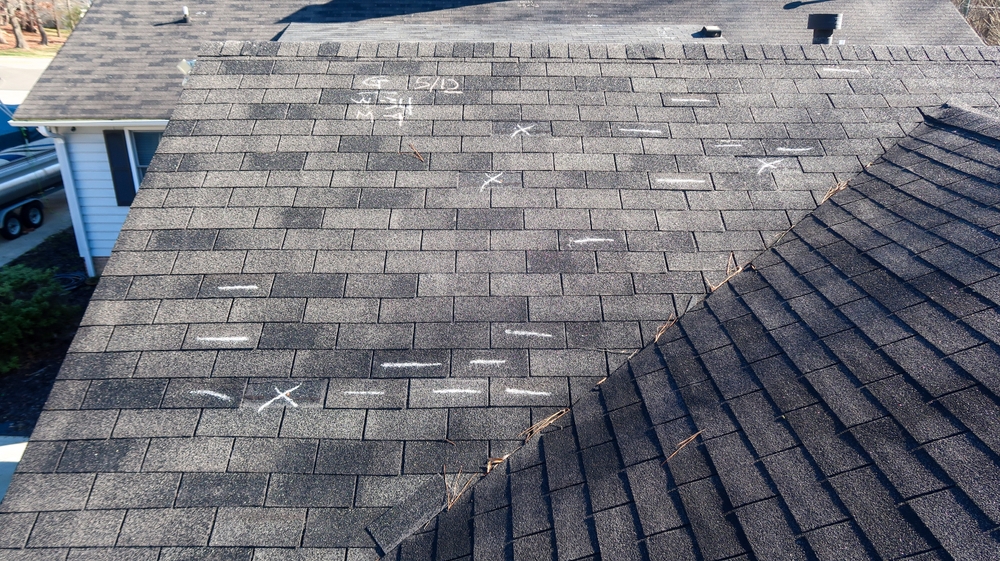
One common question that we hear is: how long does a roof last in Texas? Homeowners know that they need to invest in roofing replacement at some point, and it can be challenging to know the right timing for these projects.
The truth is that the climate here in Texas can be quite harsh. Between the heat and UV exposure in the summer and hailstorms in the winter, your roof can really take a beating over time. While these weather factors can shorten your roof’s lifespan, there are things that you can do to protect your home.
The Average Roof Lifespan Depends on the Material You Choose
The weather dynamics in Texas are going to be constant, so the best thing that you can do to avoid early wear and tear on your roof is to choose materials that will hold strong through the temperature and climate fluctuations.
If you have asphalt shingles, you can expect the roof lifespan to be between 15 and 20 years in Texas. Keep in mind that this timeline is shorter compared to other states due to the intensity of weather factors such as UV exposure and hail.
On the other hand, you might consider one of these other options for long-term durability:
- Metal roofs tend to last between 40 and 70 years
- Tile roofs often hold up for 50 years or more
- The slate roof lifespan can last for a century or longer
In order to optimize the lifespan of any roofing material, it’s essential that you are proactive about ongoing maintenance and regular inspections. Catching any potential issues in the earliest stages can help to reduce the risk of bigger complications in the future.
What Shortens a Roof’s Lifespan in Texas
Some of the things that can have a negative impact on your roof include:
- Hail Storms: Certain parts of Texas often have multiple hail storms each year, which can cause damage to houses and businesses in the area. Even if the hail is too small to puncture the shingles, the impact of these small pieces of hail can still damage the roof by cracking the granule coating and speeding up the aging process.
- Extreme Heat & UV Exposure: During the hottest months of the year, the heat and UV exposure can cause the shingles to dry out. Eventually, they will start to curl and crack. Additionally, if you have poor attic ventilation, it can trap heat beneath the roof deck, which speeds up the wear and tear even more.
- Wind Storms: Extreme weather conditions can bring in strong winds, which can rip off shingles and cause other types of damage to your home. The roof can also be damaged if branches break off nearby trees and hit your home.
- Improper Installation and Repairs: The final factor that could affect the lifespan of your roof is completely avoidable. If an inexperienced contractor or repair provider is working on the roof, then it increases the likelihood that you will have issues in the future. Since poor workmanship can reduce your roof’s lifespan, it’s better to invest in services from a reputable, certified roofing contractor in Texas.
Warning Signs Your Roof Needs Replacement
If you think that the roof might be old or damaged, then the best thing that you can do is schedule an inspection with an experienced roofing contractor. Our team will come to your home and offer recommendations about the best time to replace your roof. Some of the common warning signs that your roof might need to be replaced include:
- The roof is over 20 years old
- Shingles are curling
- Missing shingles
- Granule buildup in the gutters and downspouts
- Water stains on the ceiling in your home
- Daylight is visible through the roof deck
- The roof line is starting to sag
- Flashing damage
- Leaks that bring water through the ceiling
Some of these issues can be visible with an untrained eye, such as missing shingles or storm damage. But other issues are only identifiable with a professional inspection. It’s important to take a proactive approach with your roofing inspections to identify the earliest signs that your roof needs replacement.
How to Decide Whether You Need Repairs or a Full Roof Replacement?
There are times when repairs make sense, offering a cheaper solution to protect your home without investing in a full replacement. For example, if you have storm damage that is localized to one area of the roof (and the rest of the roof is still in relatively good condition), then repairs can be a great option to consider.
We might recommend repairs if your roof is less than 15 years old. But our team is more likely going to recommend roof replacement if the roof is over 15 or 20 years old. At this age, it doesn’t make sense to spend money on repairs when the entire roof will need to be replaced soon.
Full roof replacement is usually the best option if you have widespread damage or the roof is already nearing the end of its life expectancy. This approach will help you avoid the recurring costs of roof repairs and protect your home against any storms that might roll through in the future.
FAQs
How long does a roof last in Texas?
If you have asphalt shingles on your roof, then you can usually expect a lifespan of 15 to 20 years. Other roofing materials can last longer. Regardless of the type of roofing material that you choose, make sure to maintain consistency with inspections and maintenance.
Does hail damage always require a full roof replacement?
Just because your roof is damaged by a hailstorm, it doesn’t necessarily mean that the entire roof needs to be replaced. Schedule an inspection with our team so that we can inspect the extent and location of the damage. We’ll determine whether repairs are sufficient or if you should consider a full roof replacement.
Professional Roofing Services from a Contractor You Can Trust
If you need to schedule a roof inspection in Dallas or the surrounding areas, or you are looking for customized advice to protect your home, then reach out to our professional team. At Infinite Roofing, we are here to assist with all of your roofing needs. Other available services include solar installation, windows, gutters, and more. Contact us today for more information and a customized quote.